A car that hesitates when you press the gas pedal can make everyday driving feel uncomfortable. You expect the vehicle to move, but it pauses, stumbles, or feels weak for a second before it finally responds. That delay may be small, but it is hard to ignore once you notice it.
Hesitation usually means the engine is not getting the right mix of air, fuel, spark, or sensor information at the moment you ask for power. Sometimes the issue is minor. Sometimes it is an early warning that a part is starting to fail under load. Either way, the pattern can tell a technician where to begin.
The Engine Needs More Than Fuel
When you press the gas pedal, the engine has to react quickly. It needs more air, the right amount of fuel, a strong spark, and accurate data from sensors. If one of those pieces is late or incorrect, the engine may stumble before it catches up.
That is why hesitation can have several causes. It is not always a bad fuel pump or dirty filter. It could be an ignition issue, air leak, throttle problem, sensor concern, or transmission response issue. A proper inspection examines the whole system rather than blaming one part too quickly.
Dirty Airflow Parts Can Slow Response
The engine needs clean, measured airflow to accelerate properly. A dirty air filter, dirty mass airflow sensor, carbon buildup around the throttle body, or a cracked intake hose can affect how much air reaches the engine and how accurately that air is measured.
If the computer thinks less air is entering than is actually entering, or if extra air sneaks in through a leak, the fuel mixture can be incorrect. That can create a stumble, rough idle, or hesitation when you press the gas. Some airflow problems feel worse from a stop, while others show up during passing or uphill driving.
Fuel Delivery Problems Can Cause A Lag
A weak fuel pump, dirty injectors, a restricted filter on vehicles that use one, or a fuel pressure issue can keep the engine from getting enough fuel under load. The car may idle fine because it does not need much fuel at idle. Once you accelerate, the demand rises, and the weakness shows up.
Fuel-related hesitation may feel like the car is starving for power. It might surge, bog down, or take longer than normal to build speed. If the problem worsens at low fuel levels, during hot weather, or while climbing hills, fuel delivery should be closely checked.
Ignition Problems Often Show Up Under Load
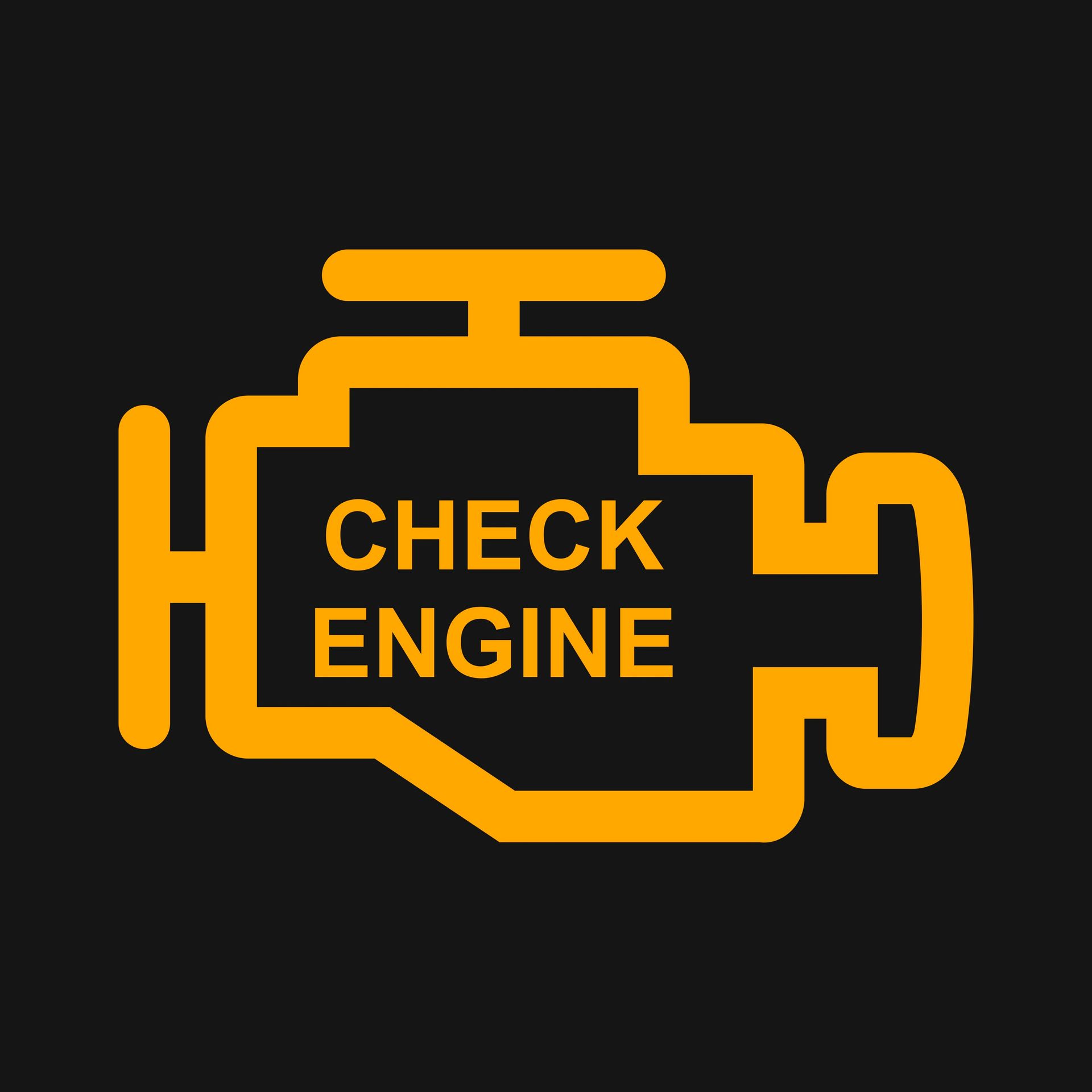
Spark plugs and ignition coils can seem fine during easy driving, but fail when the engine has to work harder. Higher cylinder pressure during acceleration makes it harder for a weak spark to fire cleanly. That can cause a misfire, hesitation, shaking, or a flashing check engine light.
Common ignition-related clues include:
- Rough idle
- Hard starts
- Jerking during acceleration
- Poor fuel economy
- Check engine light
- Engine shaking uphill
- Power loss when passing
- A fuel smell from the exhaust
These signs can point toward spark plugs, coils, wires on older systems, or related wiring. A misfire should be checked soon because unburned fuel can damage the catalytic converter.
Sensors Can Send The Wrong Information
Modern engines depend on sensors to decide how much fuel to add, when to fire the spark, and how to adjust throttle response. If a sensor provides incorrect information, the engine may respond slowly or poorly when you press the gas.
A mass airflow sensor, throttle position sensor, oxygen sensor, coolant temperature sensor, crankshaft sensor, camshaft sensor, or manifold pressure sensor can all affect acceleration. A sensor code does not always mean the sensor itself is bad. It may be reporting a real condition caused by an air leak, fuel issue, exhaust leak, or wiring problem.
Throttle Body Or Pedal Problems
Many vehicles use electronic throttle control. Instead of a direct cable, the gas pedal sends a signal to the computer, and the computer controls the throttle body. If the throttle body is dirty, sticking, or not responding correctly, acceleration can feel delayed.
A pedal position sensor or throttle control issue can also create hesitation, reduced power, warning lights, or a vehicle that feels like it will not respond normally. These systems need careful testing because cleaning, relearn procedures, wiring checks, or part replacement may be needed depending on the cause.
Transmission Issues Can Feel Like Engine Hesitation
Not every hesitation comes from the engine. A delayed downshift, slipping transmission, torque converter shudder, or worn mount can make the vehicle feel slow to respond when you press the gas. From the driver’s seat, it can feel like the engine is lagging even when it's trying to make power.
The timing of the symptom helps. If the engine revs but the car does not gain speed, the transmission may be slipping. If the car pauses before downshifting, shift control or transmission behavior may be involved. If the hesitation is accompanied by clunks or movement, mounts and drivetrain parts should be checked as well.
Get Acceleration Hesitation Repair In Pelion, SC, With Automotive Repair Solutions
If your car hesitates, stumbles, jerks, surges, or feels weak when you press the gas pedal, Automotive Repair Solutions in Pelion, SC, can test the engine, fuel system, ignition components, sensors, throttle system, and transmission.
For clear answers before hesitation becomes a bigger drivability problem,
contact us to schedule an appointment.