A routine vehicle check allows a technician to find developing problems before they cause a warning light, breakdown, or expensive repair. The process covers much more than looking beneath the hood. Tires, brakes, fluids, steering parts, belts, lights, and electrical components can all provide clues about the vehicle’s condition.
The exact checks may vary based on mileage, service history, and concerns reported by the driver. A car with a new vibration may need extra attention around the tires and suspension, while one with a burning odor may require closer checks for fluid leaks or overheated brakes.
The Technician Starts With Your Concerns
Before examining the vehicle, the technician may ask what you have noticed while driving. New noises, smells, warning lights, leaks, starting delays, or changes in braking can help direct attention toward the correct system. It is useful to explain when the symptom appears and whether speed, temperature, steering, or A/C use changes it.
A short road test may help confirm concerns that cannot be reproduced while the vehicle is parked. The technician can listen for bearing noise, feel for brake vibration, evaluate steering response, and observe how the engine and transmission behave under normal driving conditions.
Fluid Levels And Visible Leaks Are Checked
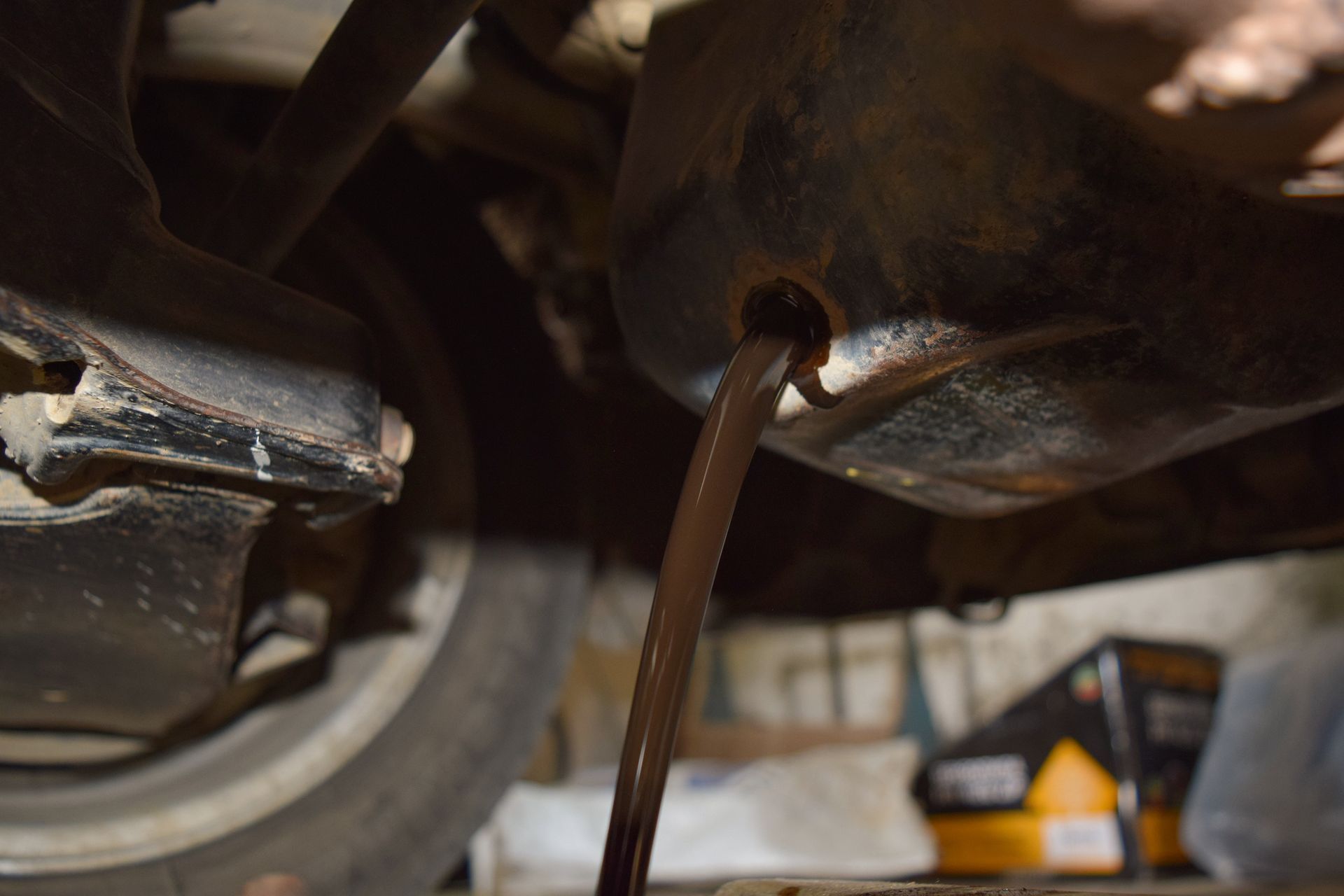
Engine oil, coolant, brake fluid, transmission fluid, power steering fluid on equipped vehicles, and washer fluid may all be reviewed. The technician checks whether the fluid is at the correct level and looks for discoloration, contamination, or a burnt odor that could indicate heat or overdue service.
Leak checks often include gaskets, hoses, seals, pans, reservoirs, radiators, cooler lines, and fittings. Fresh wet areas can reveal a concern before enough fluid reaches the pavement to form a puddle. Finding a small coolant seep or oil leak early can help prevent overheating, low lubrication, and damage to nearby belts or rubber parts.
Tires, Brakes, And Wheel Components Receive Attention
Tires are checked for pressure, tread depth, cracking, bulges, punctures, and uneven wear. Inner-edge wear may point toward alignment or suspension concerns, while cupping can develop from weak shocks, poor wheel balance, or loose components. Tire age and matching sizes are also important, especially on all-wheel-drive vehicles.
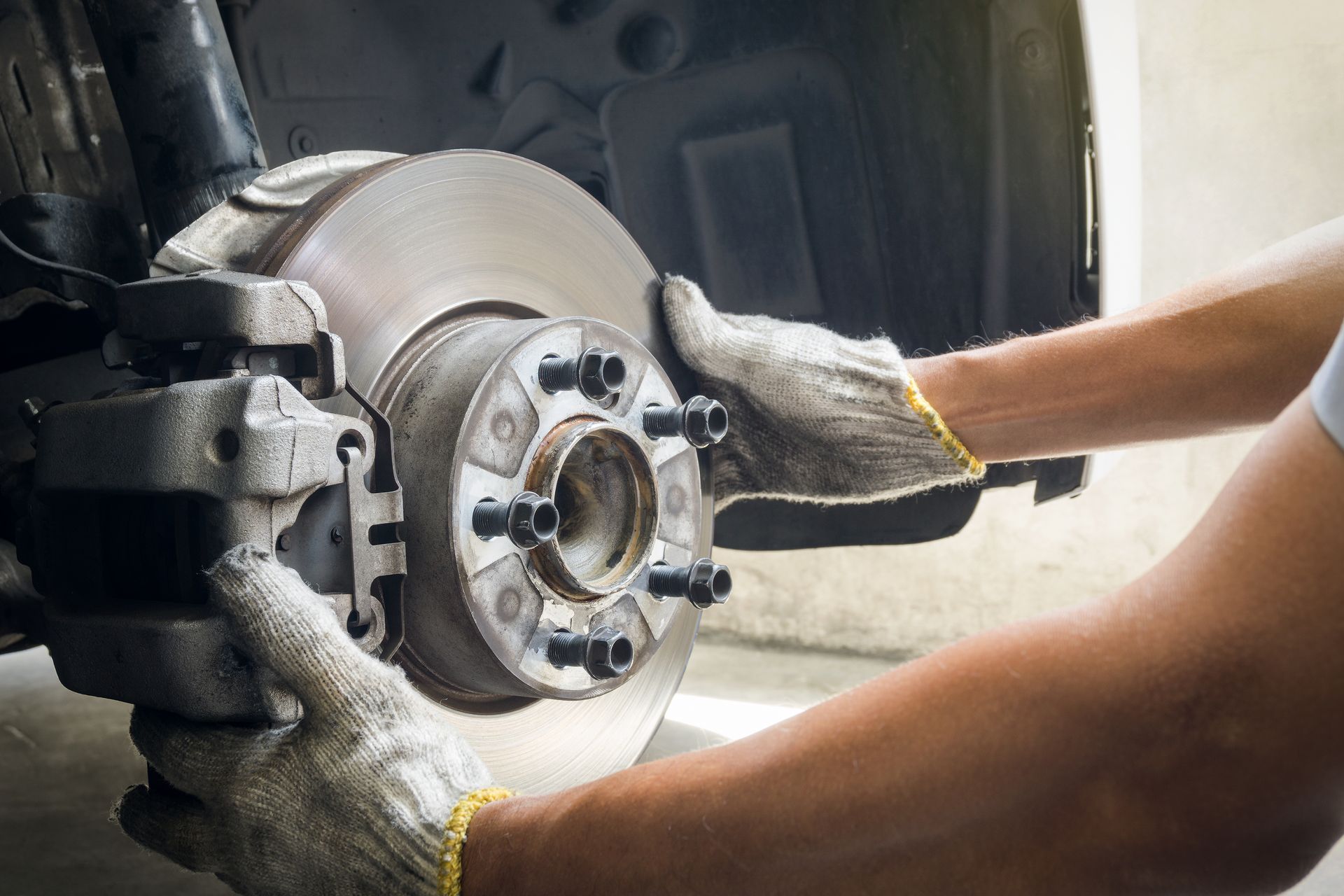
Brake checks may include pad thickness, rotor condition, caliper movement, hoses, and visible hardware. The technician may also look for wheel bearing looseness or heat from a dragging brake. Worn pads can often be replaced before they grind into the rotors and increase the cost of the repair.
Steering And Suspension Parts Are Examined
Tie rods, ball joints, control arm bushings, sway bar links, shocks, struts, springs, and wheel bearings help keep the tires controlled. As these parts wear, the vehicle may begin clunking, wandering, bouncing, pulling, or wearing its tires unevenly.
The technician may raise the vehicle and move the wheels or suspension components by hand to check for looseness. Leaking shocks, cracked bushings, broken springs, and damaged protective boots can also be found during this part of the inspection. Worn parts should be repaired before an alignment is performed so the wheel angles remain consistent.
Belts, Hoses, Battery, And Filters Are Reviewed
The serpentine belt is checked for cracks, glazing, frayed edges, and damaged ribs. Tensioners and pulleys may also be examined for wobble, weak tension, or rough bearings. A worn belt system can affect the alternator, A/C compressor, power steering pump, and water pump on engines where those parts share the same drive.
Battery terminals, cables, and visible grounds are checked for looseness and corrosion. The engine air filter and cabin filter may be reviewed for restriction or damage, while coolant hoses are checked for swelling, softness, cracking, and residue around their connections. These regular maintenance items can prevent starting trouble, weak airflow, belt failure, and sudden coolant loss.
Engine, Transmission, And Exhaust Clues Are Evaluated
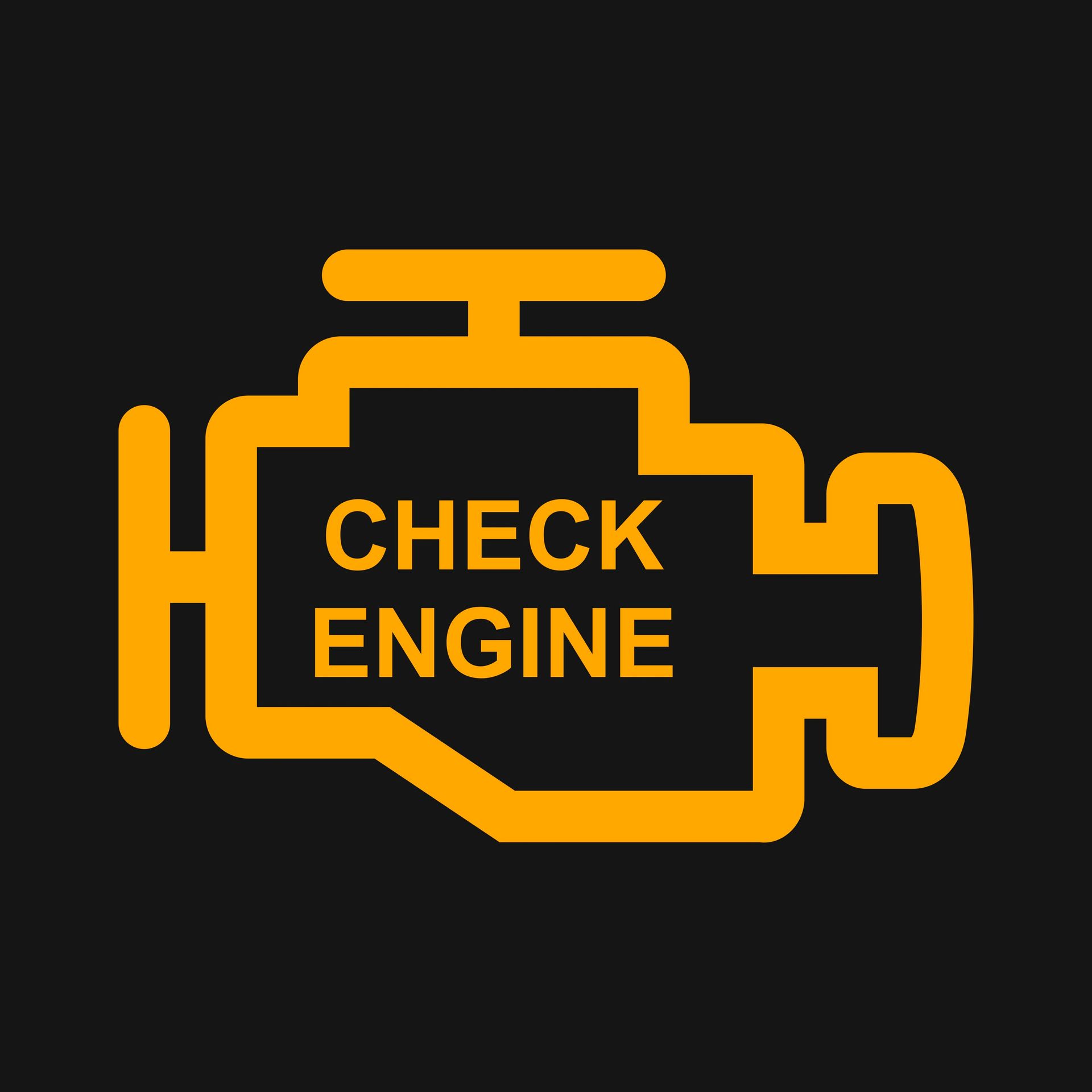
A technician may listen for ticking, knocking, exhaust leaks, pulley noise, or an uneven idle. Warning lights and stored diagnostic information can provide additional direction, even when the vehicle seems to drive normally. Fluid residue, damaged intake hoses, and loose electrical connectors may also be visible beneath the hood.
The transmission and exhaust system can be checked from underneath for leaks, damaged mounts, loose heat shields, rust, and worn driveline parts. A scan may be recommended when the vehicle has shifting changes, reduced power, unusual fuel use, or an intermittent warning message. Reading a code is only one step, since testing is still needed to identify the cause.
Safety Equipment And Basic Functions Are Tested
Exterior lights, brake lights, turn signals, wipers, washers, mirrors, horn, and dashboard warning lamps may be checked. These items are easy to overlook during daily driving, especially when a failed rear light cannot be seen from the driver’s seat.
The technician may also confirm that seat belts latch properly and that the parking brake operates. Heating and A/C performance can be noted if the driver has reported weak airflow or temperature concerns. Small functional problems are often easier to address before poor visibility or changing weather makes them more urgent.
How Repair Recommendations Are Prioritized
Not every finding requires immediate repair. A useful vehicle check separates urgent safety concerns from services that are approaching and parts that can be monitored.
- Repair immediately for safety or damage prevention
- Schedule soon before wear becomes more severe
- Plan for an upcoming mileage-based service
- Monitor a minor seep, noise, or wear condition
- Recheck at the next service visit
This approach helps owners make informed decisions without replacing every aging component at once. Service history, mileage, driving habits, and the vehicle’s overall condition all help determine which recommendations should come first.
Get Routine Vehicle Checks In Pelion, SC, With Automotive Repair Solutions
Automotive Repair Solutions in Pelion, SC, can check your fluids, tires, brakes, steering, suspension, battery, belts, hoses, filters, lights, engine, and transmission.